Discover STEP-BY-STEP guide to get sales and huge income while you sleep
Latest Promotion
Latest Posts
March 18, 2025
OFFICIAL
Make An Affiliate Marketing Website 2025 ~ Make $21,000 A Month Passive Income
HOW TO MAKE AN AFFILIATE WEBSITE FOR FREE 2025 This How to Make an Affiliate Website for Free 2025 course […]
March 18, 2025
OFFICIAL
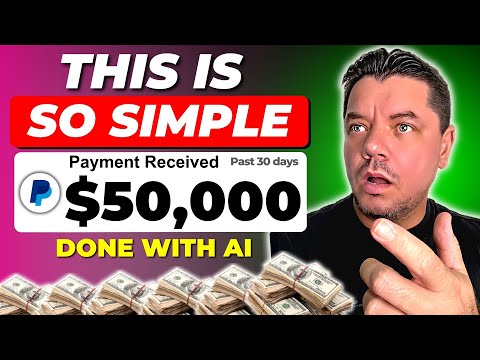
Use This AI Tool To Make $50k/mo With Clickbank Affiliate Marketing
This Clickbank affiliate marketing tutorial will show you how to make money online using AI. to create simple short videos […]
March 6, 2025
OFFICIAL

Tapestri Affiliate Overview
Dani Walker and Chuck Williams present the Tapestri Affiliate program
February 10, 2025
OFFICIAL
How I Make $23,387/Month With Pinterest Affiliate Marketing (New Strategy)
How I Make $23,387/Month With Pinterest Affiliate Marketing (New Strategy) Apply for early access to work with me (limited spots): […]
January 29, 2025
OFFICIAL
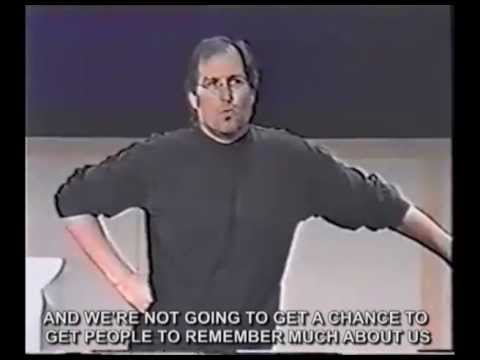
Best marketing strategy ever! Steve Jobs Think different / Crazy ones speech (with real subtitles)
Hey. Welcome. This is the “Uploader” speaking. I work with Marketing myself, via Video production. Check out my latest showreel: […]

Seit über 20 Jahren Affiliate Marketing: Jetzt zeige ich dir den Einstieg
Seit über 20 Jahren Affiliate Marketing: Jetzt zeige ich dir in einem kostenlosen Workshop den Einstieg 👇
Werbung | Ich erhalte eine Provision, wenn du später über meinen Link kaufst.
Du willst dir online etwas nebenbei aufbauen, weißt aber nicht, wo du anfangen sollst? Im kostenlosen Online-Workshop „Affiliate-Marketing + Content + KI“ geht es darum zu verstehen, wie das alles zusammenpasst. Ich mache seit über 20 Jahren Affiliate Marketing und arbeite nach demselben Prinzip.
Das erwartet dich im Workshop mit Marek Rühl:
1️⃣ Grundlagen: Zusammenhänge verstehen (Inhalte, Empfehlungen, Partnerprogramme)
2️⃣ KI-Tools: Möglichkeiten kennenlernen und im Arbeitsablauf einordnen
3️⃣ Umsetzung: nächste Schritte einordnen
Für wen? Für Einsteiger. Du brauchst keine Vorkenntnisse, nur ein Smartphone oder einen Computer und eine stabile Internetverbindung. Bei der Anmeldung wählst du deinen Wunschtermin. Die Teilnahme ist kostenlos.
Ehrlich gesagt: Affiliate Marketing ist kein Selbstläufer. Du brauchst Zeit und musst dranbleiben, und es gibt keine Garantie für Ergebnisse. Der Workshop gibt dir Orientierung und Einblicke, damit du entscheiden kannst, ob das etwas für dich ist. Er ist der kostenlose Einstieg zum kommerziellen Kursangebot „The Affiliate Code“, das du danach unverbindlich kennenlernen kannst.
Themen: Affiliate Marketing für Anfänger, Affiliate Marketing lernen, kostenloser Online-Workshop, Workshop Affiliate Marketing, KI Tools, ChatGPT für Content, Content erstellen, Nebenverdienst online, Online-Business aufbauen, digitales Business, Partnerprogramme, Provision, Einsteiger ohne Vorkenntnisse, TikTok und Instagram Stories.
💾 Speichere dir das Video ab und teile es mit jemandem, der gerade mit dem Online-Business startet.
👉 Wenn du wissen willst, wie das Schritt für Schritt abläuft: Kommentiere INFO für einen kostenlosen Workshop. Ich schicke dir dann die Infos zum kostenlosen Online-Workshop, in dem Affiliate Marketing für Einsteiger erklärt wird.
#affiliatemarketing #onlineworkshop #kostenlosworkshop #nebenverdienst #nebenverdienstonline #onlinebusiness #kitools #chatgpt #contentcreator #digitalesbusiness #selbstständigkeit #reelsdeutschland
Share on
How to Make Money Online With Sales Skills | High-Ticket Affiliate Marketing
Explore the free challenge here:
https://eproductsempireuniversity.org/free-course-opt-in-4142
Good at sales, but tired of depending on walk-ins, booked appointments, and whoever happens to show up that day? You can know how to build trust, handle objections, and close a sale—and still feel limited by your schedule, your location, or the number of people you can speak with.
If you work in car sales, real estate, retail sales, or another commission-based role, you already have skills that can translate to selling online. Understanding what someone needs and explaining why an offer fits matters in affiliate marketing, digital product sales, and online sales too.
The internet gives you another way to reach potential customers. Content can introduce an offer to people beyond your local area, while a sales funnel and automated follow-up help interested viewers take the next step. That creates opportunities to use your sales experience without personally starting every conversation.
In this video, I’m talking about why salespeople should explore online business—and why high-ticket affiliate marketing may be worth learning about if you don’t want to create your own product. You still need a relevant offer, useful content, and a way to turn attention into customer interest. Views and inquiries alone don’t guarantee sales.
If you’ve been searching for how to make money online with sales experience, a side hustle for salespeople, or affiliate marketing for beginners, the free challenge is a starting point to explore the process.
Learn more and see whether it fits your goals: https://eproductsempireuniversity.org/free-course-opt-in-4142
Join the free community at: https://www.skool.com/eproductsempire
– Subscribe for practical videos on how to start an online business, digital products, AI for business, selling digital products, product research, marketing, sales systems, and building an online business from scratch.
More tools to help you succeed:
Base44 – https://base44.pxf.io/c/4914992/2049275/25619?trafcat=lp
Elevenlabs for Voiceovers – https://try.elevenlabs.io/u4cu1zeuz3rc
Become an EProducts Empire Affiliate:
https://eproductsempireaffiliate.com
OfferConverter AI – https://offerconverterai.com
The Prompt Engineer – https://theaipromptengineer.org