Latest Promotion

Latest Posts
OFFICIAL

Jordan Peterson’s Advice For People With Depression
12 Rules for Life: An Antidote to Chaos: https://amzn.to/39phlNc Beyond Order: 12 More Rules for Life: https://amzn.to/3dgVHfl Jordan Peterson shares […]
OFFICIAL

5 Proven Strategies to Boost Your Mental Health Today
🔗 Start your mental health journey today! Click here: https://bit.ly/47SH6Tg Feeling overwhelmed? These five simple strategies can help you improve […]
OFFICIAL

CVS Health Tips in a Minute: Maternal Mental Health
Postpartum depression and anxiety can add stress to an already challenging time for new or repeat moms – but a […]
OFFICIAL
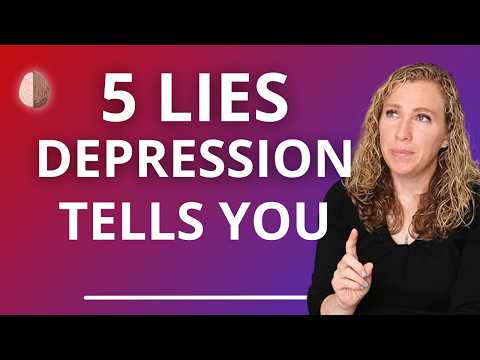
5 Lies Depression Tells You – Depression Motivation, it gets better
Discover the 5 lies depression tells you and find hope. Empower yourself with depression motivation to overcome and heal. Watch […]
OFFICIAL

Where to Get Mental Health Help
There are different levels of care depending on each person’s mental health needs. Understanding all the available treatment options can […]

49 Psychological Mind Tricks That Feel Illegal To Know
In this Second Brain session, we’re diving yet again into the greatest tricks in psychology. From the roots of human behaviour to the complexity of the mind, these unsettling insights reveal how the mind can be manipulated in ways you may not expect.
⚠️ IMPORTANT: This video is for EDUCATIONAL PURPOSES ONLY – to help you recognize and defend against psychological manipulation. These tactics can cause serious psychological harm and should NEVER be used to manipulate others.
🕒 Time Stamp
0:00 – ANCHORING EFFECT HOW TO USE IT
2:34 – RECIPROCITY UNIVERSAL RULE OF HUMAN INTERACTION
5:13 – SOCIAL PROOF POWER OF CROWD
8:00 – SCARCITY PRINCIPLE WHY LESS IS MORE
10:51 – AUTHORITY POWER OF EXPERTISE
13:43 – LIKING WHY WE SAY YES TO PEOPLE WE LIKE
16:50 – COMMITMENT AND CONSISTENCY POWER OF FOLLOWING THROUGH
19:48 – ART OF STRATEGIC SILENCE
22:41 – MIRRORING AND MATCHING BUILDING UNCONSCIOUS RAPPORT
25:24 – BEN FRANKLIN EFFECT ASKING FOR FAVORS
28:03 – FRAMING HOW CONTEXT SHAPES PERCEPTION
31:01 – CONTRAST PRINCIPLE MAKING THINGS LOOK BETTER OR WORSE
33:56 – ILLUSION OF CHOICE GUIDING DECISIONS
36:45 – EMOTIONAL CONTAGION SPREADING FEELINGS
39:35 – HALO EFFECT HOW ONE TRAIT COLORS EVERYTHING
42:46 – STRATEGIC SELF DEPRECATION
45:41 – POWER OF LABELING SHAPING IDENTITY
48:31 – PSYCHOLOGY OF NAMES AND LIKING
51:14 – FIRST IMPRESSION EFFECT
54:12 – SCARCITY OF ATTENTION
57:06 – SOCIAL VALIDATION SIGNALS
1:00:01 – NONVERBAL DOMINANCE CUES
1:02:53 – POWER OF PAUSE
1:05:47 – RECIPROCITY IN CONVERSATION
1:08:40 – AUTHORITY THROUGH CONFIDENCE
1:11:35 – STATUS SIGNALING IN SOCIAL SETTINGS
1:14:31 – COGNITIVE LOAD AND DECISION FATIGUE
1:17:28 – PRIMING EFFECT IN DAILY LIFE
1:20:22 – EMOTIONAL TRIGGERS IN PERSUASION
1:23:19 – SUBTLE USE OF REJECTION
1:26:11 – MANIPULATING PERCEIVED VALUE
1:29:03 – POWER OF STORYTELLING
1:32:22 – SOCIAL HIERARCHIES AND INFLUENCE
1:35:47 – CREATING A SENSE OF BELONGING
1:38:29 – DYNAMICS OF GROUP DECISION MAKING
1:41:32 – INFLUENCE THROUGH ENVIRONMENT DESIGN
1:44:30 – PSYCHOLOGY OF MOTIVATION
1:47:25 – MANAGING EMOTIONS IN INFLUENCE
1:50:12 – PRINCIPLE OF PERCEIVED EFFORT
1:53:02 – ROLE OF IDENTITY IN PERSUASION
1:55:49 – PSYCHOLOGY OF RISK AND UNCERTAINTY
1:58:48 – INFLUENCE IN DIGITAL COMMUNICATION
2:01:44 – ETHICAL DIMENSION OF INFLUENCE
2:04:46 – POWER OF ANTICIPATION AND EXPECTATION
2:08:01 – STRATEGIC USE OF QUESTIONS IN NEGOTIATION
2:11:01 – INFLUENCE OF PHYSICAL STATES ON MENTAL STATES
2:14:02 – ART OF MAKING PEOPLE FEEL IMPORTANT
2:17:01 – STATUS DYNAMICS AND SOCIAL NAVIGATION
2:19:59 – SCIENCE OF HABIT FORMATION
Share on
7 Things To Help Improve Your Mental Health To Be More Productive In 2026
Function Health:
http://bit.ly/4kXnPXz
Better Help:
https://bit.ly/4apLlY0
Full Amazon Storefront
https://www.amazon.com/shop/mrrlittle?ref_=cm_sw_r_apin_aipsfshop_SS2JQ0H8EMXA4TSW1YZ9&language=en-US
LTK For Outfits
https://www.shopltk.com/explore/Mrrlittle
MY SOCIALS
Follow me on Instagram
https://www.instagram.com/mrrlittle?igsh=NTc4MTIwNjQ2YQ%3D%3D&utm_source=qr
Follow me on TikTok
@mrrlittle