Latest Promotion

Latest Posts
OFFICIAL
ONLYJAYUS “Psychology Tricks to Mess With Peoples Minds” Parts 1-10 Tik Tok
This is probably my favorite series that I have done on Tik Tok so I thought Id post them all […]
OFFICIAL
PSYCHOLOGICAL TRICKS To Be More Charismatic & Confident TODAY! | Vanessa Van Edwards
💰 Get my NEW book, Make Money Easy! https://lewishowes.com/moneyyou 🔔 Subscribe for more great content: https://www.youtube.com/lewishowes https://lewishowes.com/gmyo – Get my […]
OFFICIAL
19. What Happens When Things Go Wrong: Mental Illness, Part II
Introduction to Psychology (PSYC 110) This lecture continues to cover one of the most salient areas within the field of […]
OFFICIAL
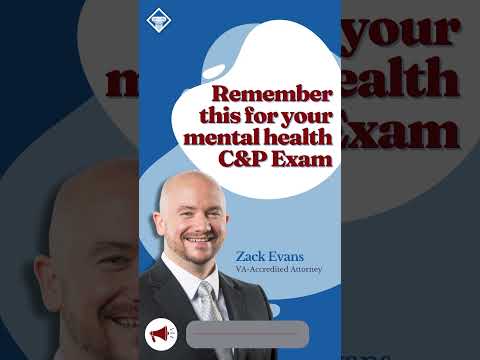
What should you say at your mental health VA C&P exam?
Read more here: VA Disability for Mental Health A mental health disorder is any emotional condition that impacts mood, thinking, […]
OFFICIAL
The Ultimate Sales Psychology Trick To Sell More (This Works Every Time) #saassales #techsales
Do you want to learn how to persuade more prospects to bu? It doesn’t matter who they are, or what […]

3 Dark Psychology Tricks For Students💀#psychology#shortsfeed#youtubeshorts
Choro hatwo es viAgar tum student ho aur class me apna confidence aur image improve karna chahte ho, to ye 3 habits try kar sakte ho. 👇
1️⃣ Har Discussion Me Bolna Zaroori Nahi 🧠
👉 Gossip ya unnecessary arguments se door raho.
👉 Jab bolo, to useful aur respectful tareeke se bolo.
2️⃣ Apne Goals Par Focus Rakho 🎯
👉 Apni progress ko compare karne ke bajay us par consistently kaam karo.
👉 Har plan sabko batana zaroori nahi hota.
3️⃣ Jaldbazi Mat Karo 😌
👉 Sawal ka jawab dene se pehle ek pal sochna bilkul normal hai.
👉 Calm body language aur clear communication confidence dikhate hain.
💡 Yaad Rakho:
Respect dusron ko control karne se nahi, balki achhe behavior, competence aur consistency se milti hai.
Ab batao 👇
Tum kis class me padhte ho? 📚
Comment me zaroor likho! 🔥
Hashtag’s:
#studentlife
#studenttips
#confidence
#personalitydevelopment
#communicationskills
#studytips
#mindsethindi
#hindishorts
#viralshorts
#ytshorts